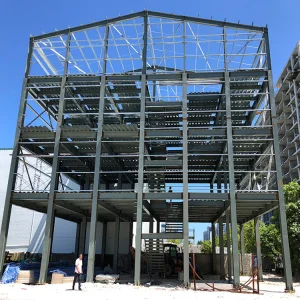
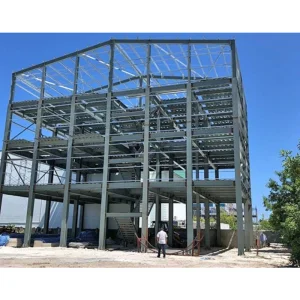
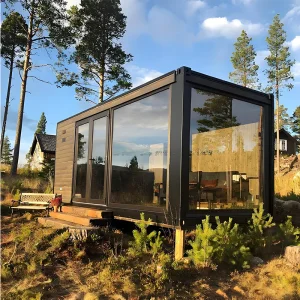
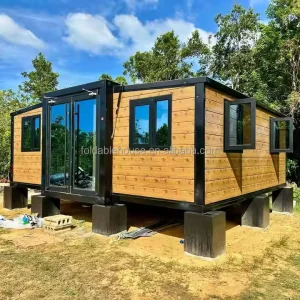
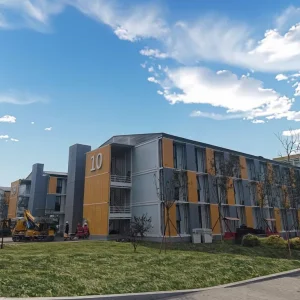
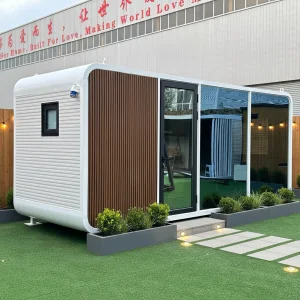
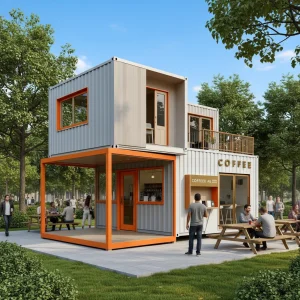
Foshan SES House Co., Ltd. is a leading, globally recognized Modular House Manufacturer specializing in the research, development, and high-precision manufacture of prefabricated homes, container houses, and structural steel buildings. Operating from our advanced manufacturing facilities in Foshan, Guangdong Province, China—a region globally renowned for industrial fabrication and raw material supply chain density—we deliver end-to-end modular construction systems designed to meet complex modern infrastructure demands.
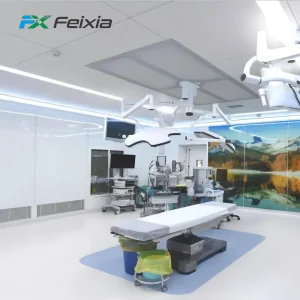
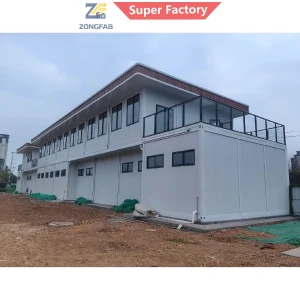
Our operational philosophy is rooted in a commitment to engineering durability, strict quality control, and architectural customization. By bridging the gap between cutting-edge industrial automation and architectural design, we support B2B clients, engineering procurement contractors (EPCs), private developers, and municipal agencies with structures that are rapid to deploy, structurally certified, and cost-effective. As an experienced exporter, our portfolio spans multi-story modular schools, high-rise steel structure apartment complexes, luxury space capsule cabins, specialized medical spaces, and heavy-duty industrial worker accommodation camps.
We provide full structural customization across all project phases. From architectural drafting, BIM modeling, and mechanical, electrical, and plumbing (MEP) coordination to manufacturing, export logistics, and site supervision guides, SES House acts as a comprehensive single-point manufacturer. This integration ensures that custom dimensions, specialized thermal insulation cores (such as high-density polyurethane or rockwool), and regional compliance standards are seamlessly integrated into the production cycle.
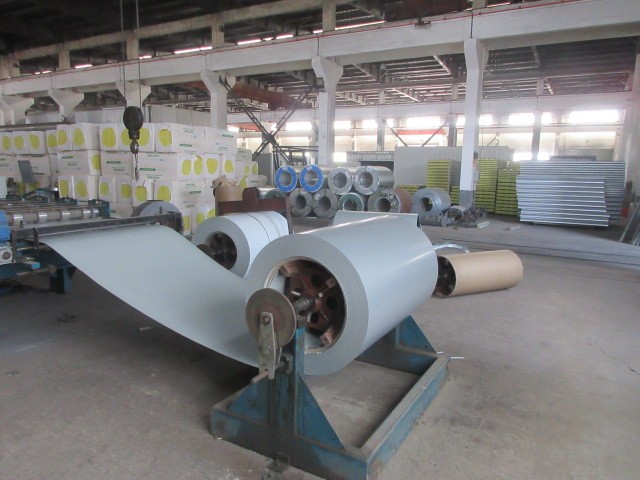
Foshan is the heart of southern China's metalworking industrial cluster. We source structural steel, high-durability galvanized coatings, and advanced insulation materials directly from upstream mills, eliminating transport latency and intermediate broker markups to maximize purchasing value.
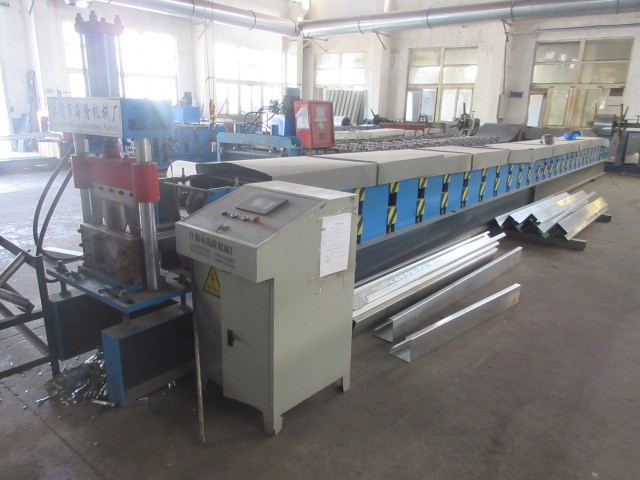
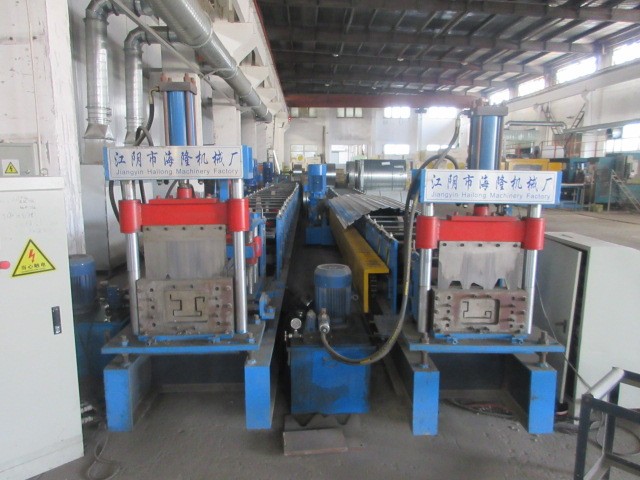
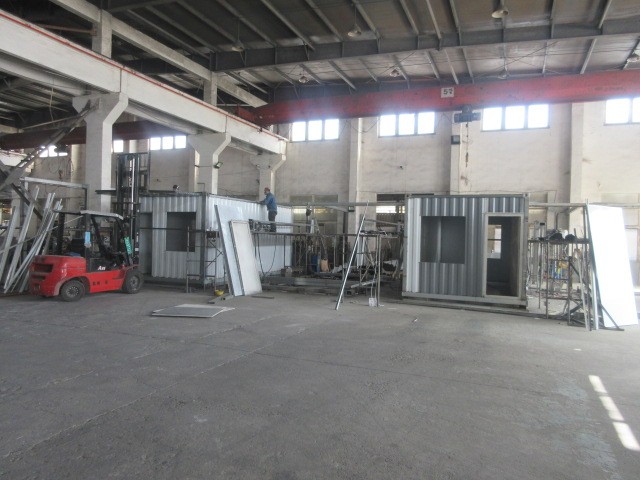
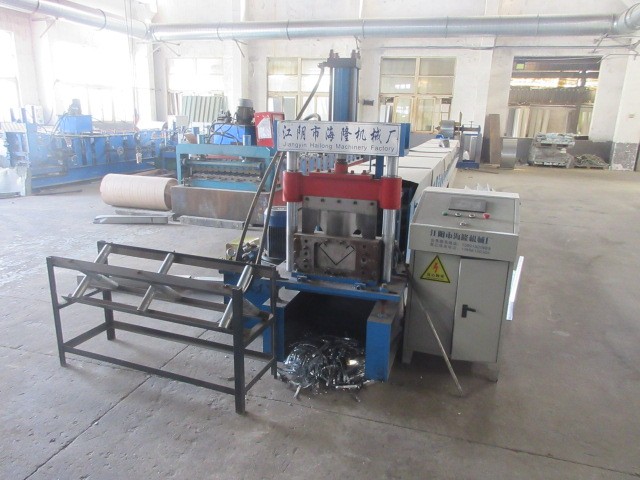
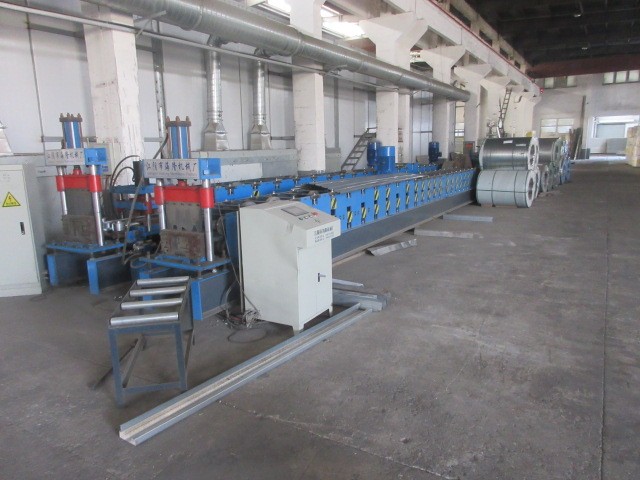
Our workshops employ automated laser cutting systems, robotic structural welding arms, and automated polyurethane sandwich panel continuously foaming production lines. Precision engineering down to +/-1mm guarantees perfect alignment and fast modular field assembly.
Our factory’s proximity to key shipping hubs like Nansha, Shekou, and Yantian ports allows for optimal shipping logistics. We design flat-pack modules specifically to fit standard 40ft HQ shipping containers, optimizing container utilization and reducing international transport costs.
By coordinating advanced industrial production with regional supply networks, Foshan SES House Co., Ltd. satisfies volume demands for master-planned modular communities, mining camps, and institutional projects. Our high-efficiency manufacturing processes significantly reduce delivery timelines, allowing projects to be completed faster than with traditional building methods.
Corporate procurement teams, developers, and governments face constant challenges with rising labor costs, strict building compliance, and aggressive development schedules. Traditional construction often experiences delays due to weather, labor shortages, and complex onsite coordination. Flat-pack and modular construction provides a predictable, factory-controlled alternative designed for efficiency and scalability.
Our structures are engineered for quick assembly, minimizing onsite labor requirements. In remote mining operations, disaster response zones, or rapidly expanding urban centers, our prefabricated designs allow general contractors to complete structural assembly, interior fit-outs, and utility hookups in a fraction of the time. This rapid installation helps optimize cash flow and accelerates project ROI for developers and operators alike.
SES House addresses the critical concerns of corporate and government buyers by focusing on:
We design and manufacture structural systems in accordance with key international building standards, including the International Building Code (IBC), Eurocodes, and the National Construction Code of Australia (AS/NZS standards). Structural steel frames are hot-dip galvanized to protect against corrosion and oxidation.
Every project undergoes engineering calculations to withstand local environmental challenges. We analyze and optimize designs for heavy wind loads (up to Category 5 hurricanes), seismic activity (up to Zone 4 / Magnitude 8.0), and snow loads by adjusting roof pitch and frame load-bearing capacities.
Our factory pre-wires and conduits structures to match local safety regulations. Wiring, outlets, switches, distribution boxes, and plumbing manifolds comply with UL, CE, SAA, or WaterMark certifications, enabling straightforward inspection and utility connection by local tradespeople.
Modern architecture is moving rapidly toward decarbonization and reduced onsite waste. Prefabricated flat-pack construction aligns with environmental, social, and governance (ESG) goals by lowering material waste and carbon emissions. Controlled factory fabrication reduces over-ordering of raw materials, while off-site preparation minimizes soil disturbance and dust generation at the job site.
Additionally, the materials in flat-pack houses, particularly structural steel and aluminum framing, are highly recyclable. At the end of a building's lifecycle, the structure can be disassembled and repurposed, making it a sustainable choice for temporary developments such as mining camps or infrastructure project offices.
We incorporate Building Information Modeling (BIM) workflows into our design phase, generating detailed 3D digital twins of our structures before starting production. This process resolves design conflicts early, ensuring plumbing, electrical runs, and steel framing align perfectly.
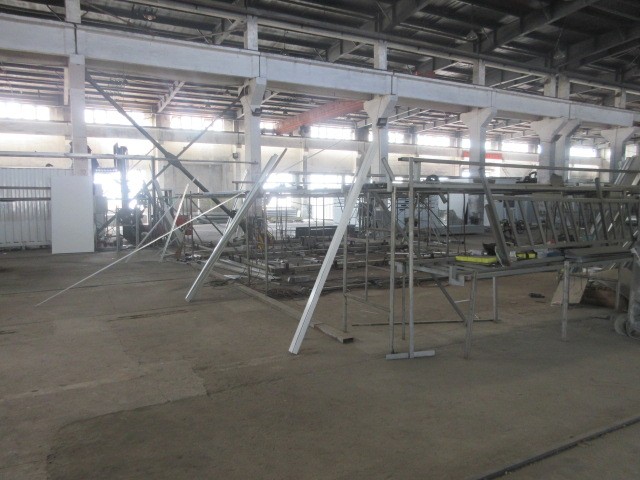
On the production floor, robotic welding and automated roll-forming machines manufacture structural components to exact tolerances. This digital-to-physical workflow minimizes manual errors, speeds up production cycles, and ensures consistent quality for every unit produced.
For standard 20ft flat-pack container units, we typically pack 4 to 6 units flat-packed in a single 40ft HQ shipping container, depending on the chosen wall panel thickness and structural profiles. For heavy steel structure prefabricated assemblies and sandwich panel kits, the volume capacity ranges from 150 to 200 square meters of floor space per container, optimizing ocean freight costs.
Our structural engineers analyze environmental conditions at the project site to optimize framing configurations. By using high-yield structural steel, specifying weld profiles, and adjusting column and roof-truss spacing, our modular designs can be built to withstand wind speeds up to 250 km/h (Category 5 equivalent) and seismic activities up to Magnitude 8.0.
Yes, our engineering team works with regional electrical and plumbing standards. We configure wire sizes, conduit paths, insulation properties, and plumbing fittings to comply with SAA, CE, UL, or WaterMark requirements, facilitating local utility connections during assembly.
We offer sandwich panels with various core insulation materials, including Polyurethane (PU), Rockwool, and Expanded Polystyrene (EPS), in thicknesses ranging from 50mm to 150mm. PU panels provide high thermal performance, helping projects meet demanding local insulation and energy codes.
We provide comprehensive installation manuals, 3D assembly guides, and step-by-step video instructions. For large-scale projects, we can deploy senior installation supervisors to the site to coordinate workflows and verify structural connections.
 SES House