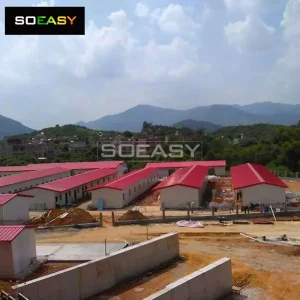
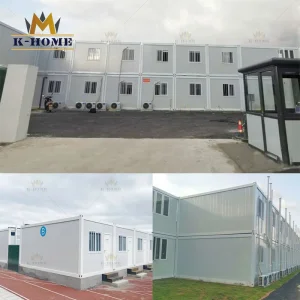
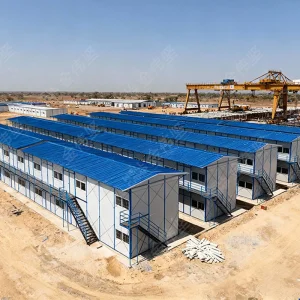
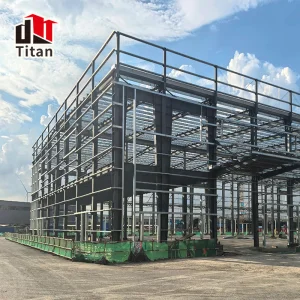
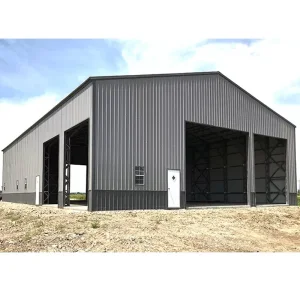
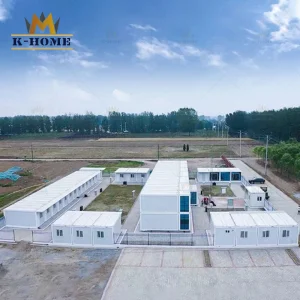
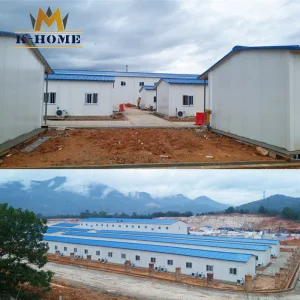
Premium pre-engineered structures designed for rapid assembly, thermal efficiency, and long structural integrity in Korean industrial applications.
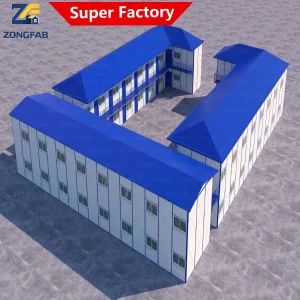
An in-depth analysis of regulatory shifts, environmental challenges, and modular technology adoption in South Korea's industrial landscape.
South Korea remains a global powerhouse in heavy industries, high-tech manufacturing, and infrastructure development. From the colossal semiconductor clusters in Pyeongtaek and Yongin to the major shipyard centers in Ulsan and Geoje, and massive reclamation initiatives like the Saemangeum Development Project, the physical footprint of Korean construction is unparalleled. However, this aggressive expansion faces two primary hurdles: a localized skilled-labor deficit and the escalating necessity to house thousands of workers, both local and international, in safe, comfortable, and regulation-compliant environments.
Historically, construction camp housing was viewed as a transient, low-cost afterthought. Today, driven by stringent national safety regulations, ESG (Environmental, Social, and Governance) corporate mandates, and extreme meteorological factors, South Korea is leading the transition toward premium, high-tech prefabricated housing solutions. High-density worker dormitories are no longer basic tents or poorly insulated containers; they are sophisticated, modular micro-communities designed to support the physiological and psychological well-being of the modern workforce.
Information Gain Focus: The modern South Korean regulatory environment, particularly under the revised Occupational Safety and Health Act (OSHA) and the Serious Accident Punishment Act (SAPA), places severe criminal and financial liabilities on general contractors who fail to provide code-compliant, structurally sound, and thermally insulated accommodations for their workforce.
Exporting prefabricated worker camp structures to South Korea requires deep technical understanding and compliance with local building acts, performance standards, and climate parameters:
Following multiple high-profile industrial warehouse fire incidents, the South Korean Ministry of Land, Infrastructure and Transport (MOLIT) enforced rigorous fire-safety requirements. Standard EPS (Expanded Polystyrene) core sandwich panels are strictly restricted for public and commercial housing. Instead, worker camp buildings must implement **Glass Wool** or **Mineral Wool (Rockwool)** cores, which provide Class A non-combustibility and conform to Korean Standard (KS) certifications.
The Korean peninsula experiences severe seasonal temperature drops, with winter lows reaching -15°C to -20°C in inland regions like Gangwon and Gyeonggi. To achieve thermal efficiency and comply with the Energy Saving Design Standards for Buildings, prefab camps require thick sandwich panel walls (up to 100mm–150mm Glass Wool) and high-performance double-glazed PVC windows with low-emissivity (Low-E) coatings to prevent condensation and minimize heating costs.
Southern coastal areas of Korea, including Busan, Mokpo, and Jeju, are highly susceptible to late-summer typhoons. Structural engineering of worker accommodations must endure wind speeds exceeding 40–50 m/s. This calls for reinforced galvanized light steel framing, heavy-duty floor beams, and robust chemical anchoring systems that secure modular elements firmly to concrete slab foundations.
Why do prominent South Korean engineering, procurement, and construction (EPC) conglomerates like Hyundai E&C, Samsung C&T, and GS E&C increasingly source modular camp structures from Foshan, China? The answer lies in the deep supply chain integration and technological economies of scale.
Foshan SES House Co., Ltd. sits at the heart of the world’s leading industrial manufacturing cluster. This enables the acquisition of structural steel, advanced coating materials, and integrated sanitary hardware at highly competitive rates. Combined with precision robotic welding, automated panel lamination, and stringent ISO 9001:2015 quality control protocols, Chinese prefabricated factories deliver building solutions at a fraction of the cost and assembly time required by localized South Korean competitors.
Furthermore, our logistics infrastructure allows for seamless transport to Korean ports. Shipping containers loaded in Foshan can reach Busan Port or Incheon Port within 3 to 5 days, enabling rapid site deployment for fast-tracked Korean infrastructure developments.
For global procurement officers, choosing a modular building partner is not merely about finding the lowest cost-per-square-meter. Modern B2B buyers must evaluate:
Explore our advanced production lines, structural testing facilities, and finished international projects built under strict quality assurance.
Foshan SES House Co., Ltd. is a leading Modular House Manufacturer | Prefabricated Homes, Container Houses & Steel Structure Buildings dedicated to providing innovative, efficient, and sustainable building solutions for clients worldwide. With extensive experience in prefabricated construction, the company serves residential, commercial, industrial, educational, healthcare, and infrastructure sectors through high-quality modular building systems.
Located in Foshan, China, SES House operates advanced manufacturing facilities equipped with modern production technologies and strict quality management systems. The company specializes in the design, engineering, manufacturing, and installation of a wide range of modular structures, including prefabricated homes, container houses, steel structure buildings, modular villas, portable houses, worker camps, modular offices, educational facilities, healthcare buildings, and customized commercial projects.
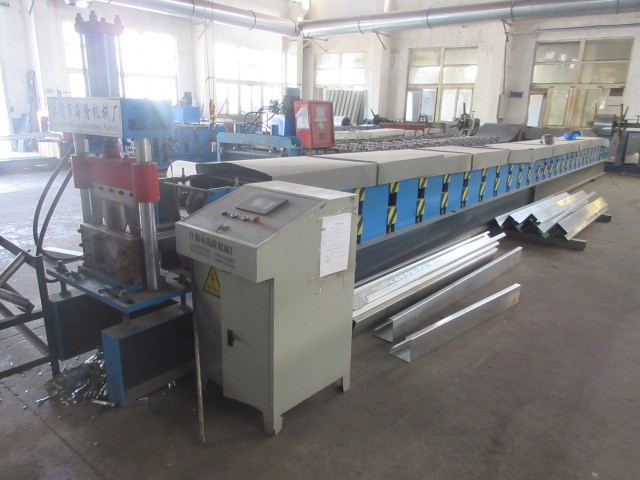
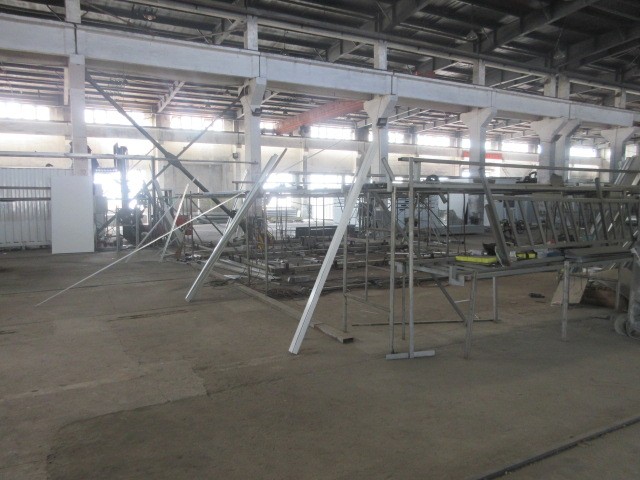
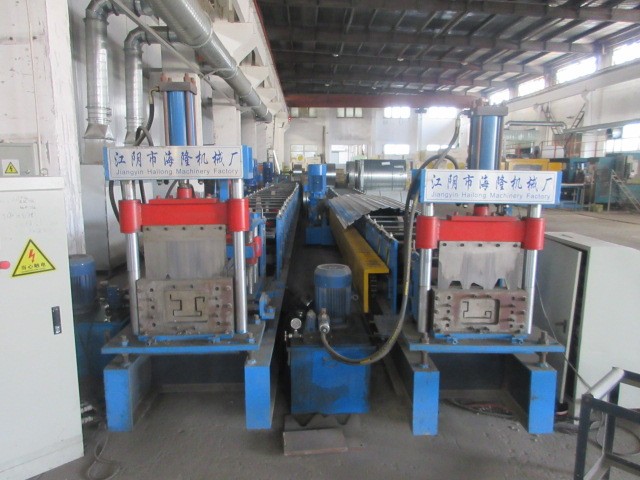
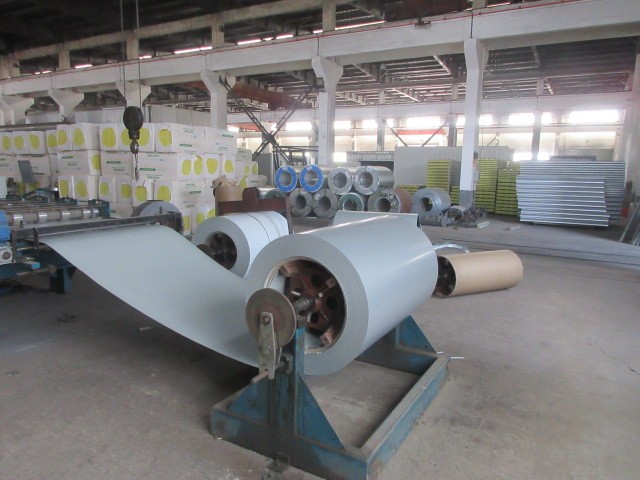
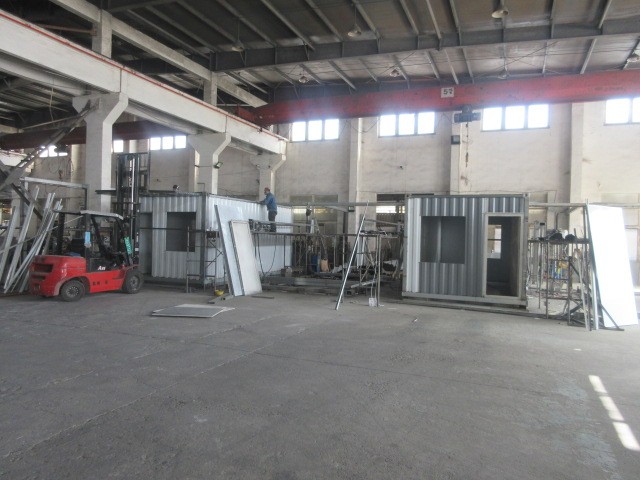
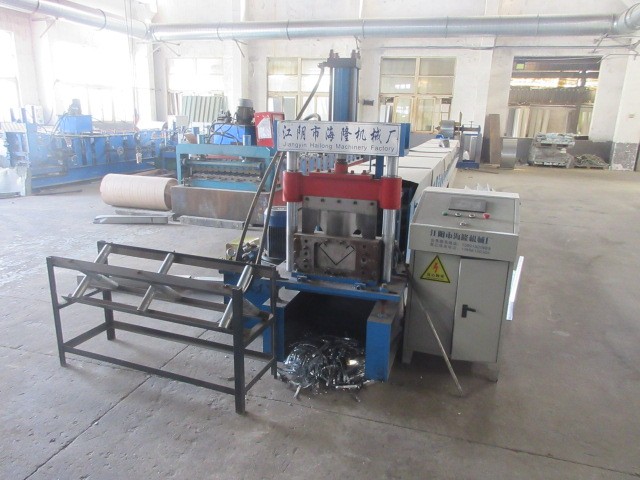
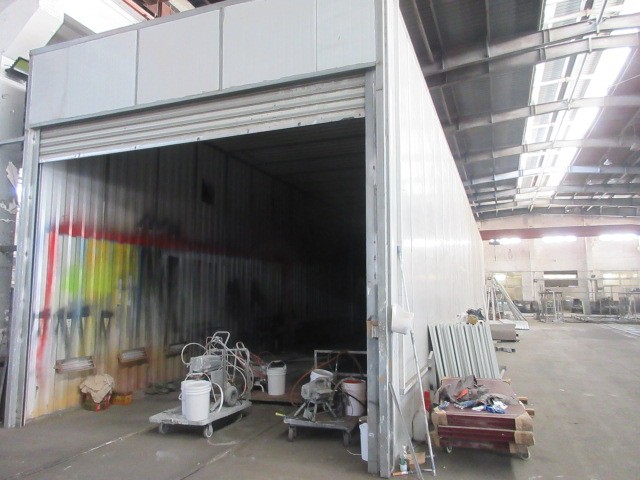
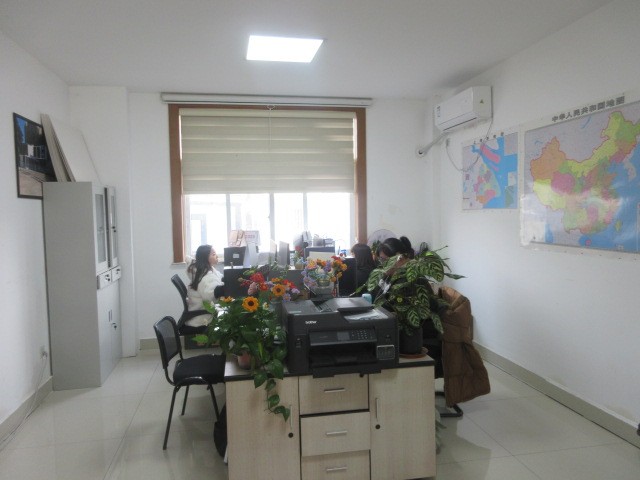
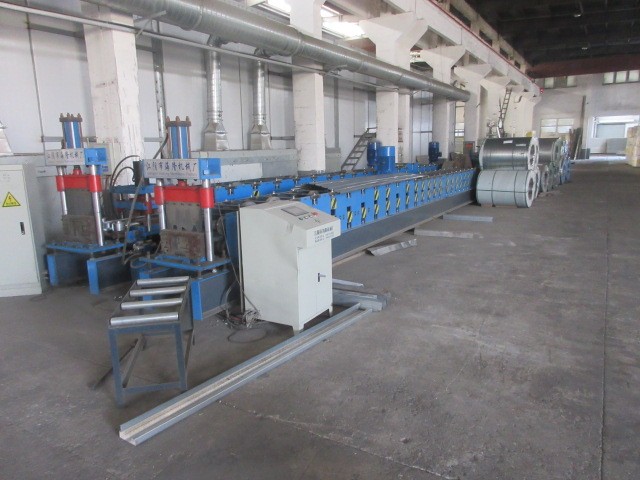
SES House offers comprehensive OEM, ODM, and project-based solutions tailored to the specific requirements of developers, contractors, government agencies, and private enterprises. From architectural planning and structural design to manufacturing, transportation, and on-site assembly support, the company delivers complete turnkey modular construction services. Every project is engineered to achieve durability, safety, energy efficiency, and rapid deployment.
Quality and innovation are at the core of the company's operations. By utilizing premium steel structures, environmentally friendly materials, and precision manufacturing processes, SES House ensures reliable building performance while reducing construction time and labor costs compared to traditional construction methods.
The company has successfully supplied modular building solutions to customers across North America, Europe, Australia, Southeast Asia, Africa, and the Middle East. Supported by professional project management, competitive pricing, flexible customization capabilities, and responsive customer service, SES House continues to build long-term partnerships with clients around the globe.
Foshan SES House Co., Ltd. remains committed to advancing modern construction through smart modular technologies, sustainable development practices, and high-quality prefabricated building solutions that meet the evolving needs of global markets.
Engineered for mining sites, construction projects, and large labor camps with strict structural specifications.
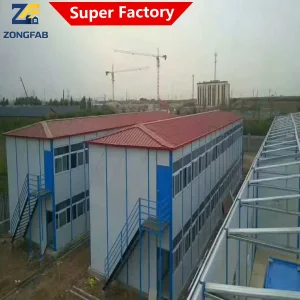
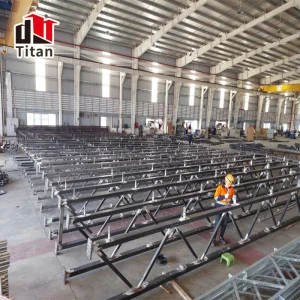
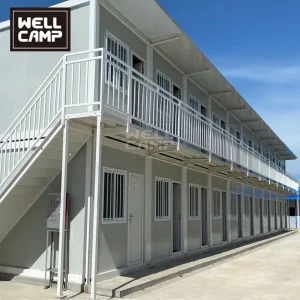
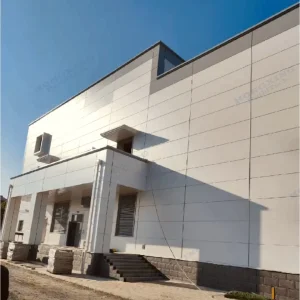
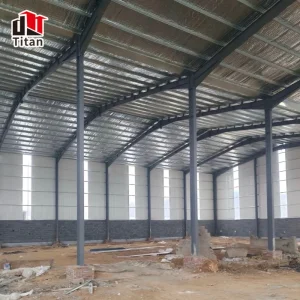
Tailored configurations optimized for extreme terrain, high-density occupancy, and global logistical clearance.
Comprehensive answers regarding compliance, design loads, structural lifetimes, and shipping processes for Korean buyers.
Yes, absolutely. To comply with the South Korean Building Act and MOLIT safety regulations, we manufacture our camp housing using certified Class A non-combustible Glass Wool or Rockwool core sandwich panels. These panels are thoroughly tested to meet the requisite flame-retardant and smoke-density standards, ensuring complete compliance for commercial and industrial permits in Korea.
Yes. Our structures are engineered with hot-dip galvanized steel frames designed to withstand significant wind load ratings (up to 50 m/s or 180 km/h). For projects in coastal regions such as Busan, Ulsan, and Gwangyang, we add secondary lateral steel braces, thicker base plates, and heavy-duty concrete anchoring bolts to safeguard against storm damage.
The shipping duration from our Foshan facility to major ports like Incheon or Busan is approximately 3 to 5 days. We provide comprehensive export documentation, including Bills of Lading, Certificates of Origin (under the China-Korea FTA for reduced tariffs), packing lists, and detailed steel structural mill certificates to ensure swift and straightforward customs clearance.
For cold climates, we utilize high-density polyurethane (PU) or 100-150mm thick Glass Wool core sandwich panels to minimize thermal bridging. We also install double-pane PVC sliding windows filled with Argon gas and Low-E coating. The flooring system can easily accommodate subfloor electric heating systems (such as Ondol film heating), which is the standard choice for comfort in South Korea.
Yes. One of the primary advantages of our modular design is its high reusability. The structural components are connected using high-strength bolts and nuts rather than permanent welds. Once a construction project is completed, the buildings can be dismantled, flat-packed, and transported to a new site, significantly reducing capital expenditure for subsequent projects.
Get in touch with our engineering team today to receive a detailed quote, structural drawings, and material specifications customized for your project's regional codes.
Send Inquiry Now SES House