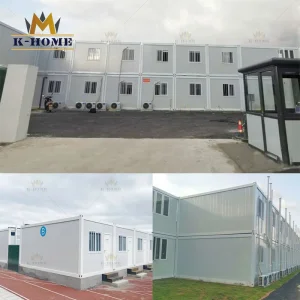
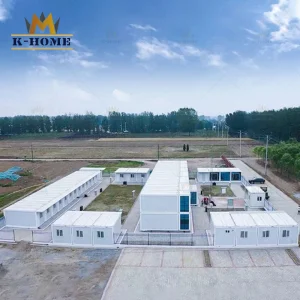
Engineered for immediate configuration and seamless installation at Uzbekistan's primary industrial and infrastructural hubs.
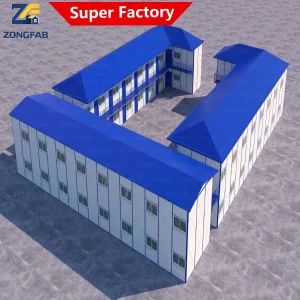
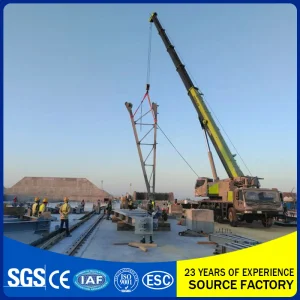
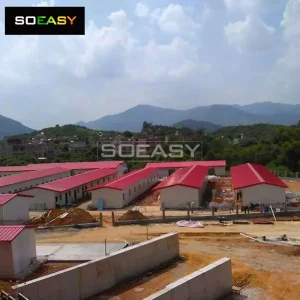
As the largest country in Central Asia by population, Uzbekistan is undergoing a monumental economic transformation. Under the banner of the "New Uzbekistan" national strategy, massive investments are being funneled into major sectors: mining (specifically gold, uranium, and copper), oil and gas extraction in regions like the Karakalpakstan Steppe and the Ustyurt Plateau, chemical industry complexes in Navoiy, and vast transport infrastructure expansions connecting the Silk Road economic belt.
Executing these massive industrial and civil works projects requires deploying thousands of construction, engineering, and security personnel to remote, un-serviced locations. Providing safe, code-compliant, and comfortable living and working facilities is essential for maintaining workforce productivity and ensuring project success. This is where engineered modular worker camp buildings become a critical operational asset.
The continental climate of Uzbekistan introduces drastic temperature extremes: summers can see temperatures exceeding +50°C in desert areas, while winters frequently drop below -30°C to -40°C, especially in the northern plains. This requires buildings to have superior thermal insulation properties. Standard structural calculations must account for heavy dust loads, strong winds, and, crucially, seismic hazards. Areas like Tashkent, Bukhara, and Samarkand are classified under high seismic zones (Grade 8 to 9 on the Richter scale), demanding structural resilience, ductile connections, and premium steel frame systems.
Our sandwich panel buildings utilize polyurethane (PU/PIR) or rockwool insulation cores up to 150mm thick, preventing thermal bridging and slashing utility costs in both peak summer and deep winter conditions.
Utilizing high-tensile hot-dip galvanized steel framing and flexible structural joints, our modular structures meet local KMK standards for seismic-prone Central Asian zones.
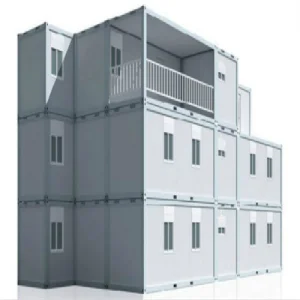
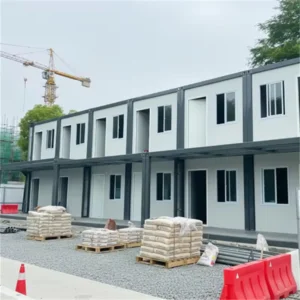
Designed as plug-and-play components, these container camps and K-houses can be quickly expanded, reorganized, or fully dismantled and relocated to the next project site with minimal waste.
High-quality prefabricated labor camps are far from simple temporary sheds. They represent highly engineered structures built using advanced materials and modern manufacturing methods. As a leading manufacturer, Foshan SES House Co., Ltd. ensures that every structural element undergoes strict stress and load calculations to provide safe, comfortable, and durable facilities.
The primary load-bearing frame of our buildings is constructed from Q235B or Q345B grade structural steel. The frame undergoes hot-dip galvanization (minimum 275g/m² zinc coating) and is finished with electrostatic powder coating to ensure it resists rust and corrosion in the harsh, dry, and dust-heavy environment of Uzbekistan.
Depending on local project requirements, we supply a range of sandwich panel options:
To reduce energy consumption, windows are made of double-glazed PVC or thermal-break aluminum frames filled with argon gas, and entry doors are steel-skinned with insulated cores and robust weather stripping to keep sand, dust, and wind out.
How we ensure frictionless export and localization support from our factories in Foshan directly to Uzbekistan.
BIM design alignment with Uzbekistan construction standards (KMK, ShNK) for structural wind, snow, and seismic capacities.
Automated cutting, welding, and painting at our state-of-the-art facilities under strict ISO 9001 and CE certified guidelines.
Flat-pack systems and component categorization loaded into ocean/railway containers via the China-Kyrgyzstan-Uzbekistan corridor.
Deploying experienced installation engineers or providing detailed 3D step-by-step videos and interactive online support.
Foshan SES House Co., Ltd. is a leading Modular House Manufacturer | Prefabricated Homes, Container Houses & Steel Structure Buildings dedicated to providing innovative, efficient, and sustainable building solutions for clients worldwide. With extensive experience in prefabricated construction, the company serves residential, commercial, industrial, educational, healthcare, and infrastructure sectors through high-quality modular building systems.
Located in Foshan, Guangdong Province, China, SES House operates advanced manufacturing facilities equipped with modern production technologies and strict quality management systems. The company specializes in the design, engineering, manufacturing, and installation of a wide range of modular structures, including prefabricated homes, container houses, steel structure buildings, modular villas, portable houses, worker camps, modular offices, educational facilities, healthcare buildings, and customized commercial projects.
SES House offers comprehensive OEM, ODM, and project-based solutions tailored to the specific requirements of developers, contractors, government agencies, and private enterprises. From architectural planning and structural design to manufacturing, transportation, and on-site assembly support, the company delivers complete turnkey modular construction services. Every project is engineered to achieve durability, safety, energy efficiency, and rapid deployment.
Quality and innovation are at the core of the company's operations. By utilizing premium steel structures, environmentally friendly materials, and precision manufacturing processes, SES House ensures reliable building performance while reducing construction time and labor costs compared to traditional construction methods.
The company has successfully supplied modular building solutions to customers across North America, Europe, Australia, Southeast Asia, Africa, the Middle East, and Central Asia—including custom solutions tailored specifically for Uzbekistan’s burgeoning industrial zones.
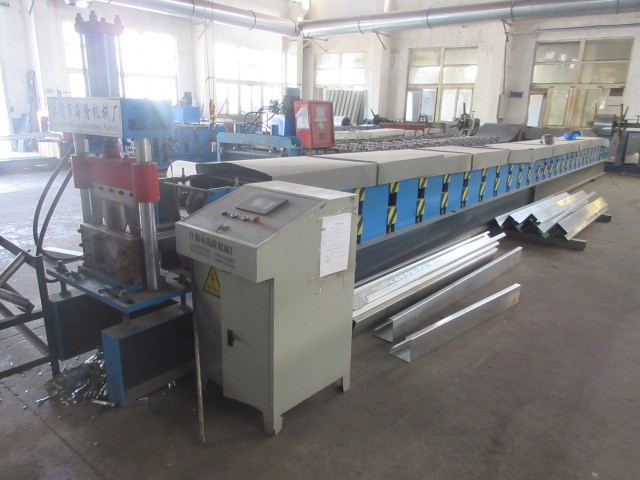
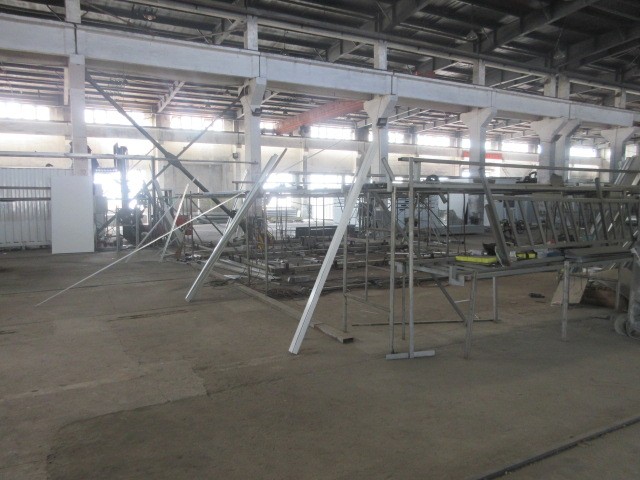
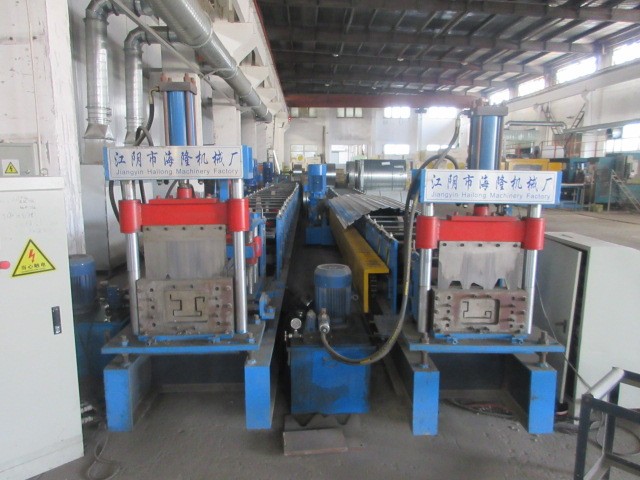
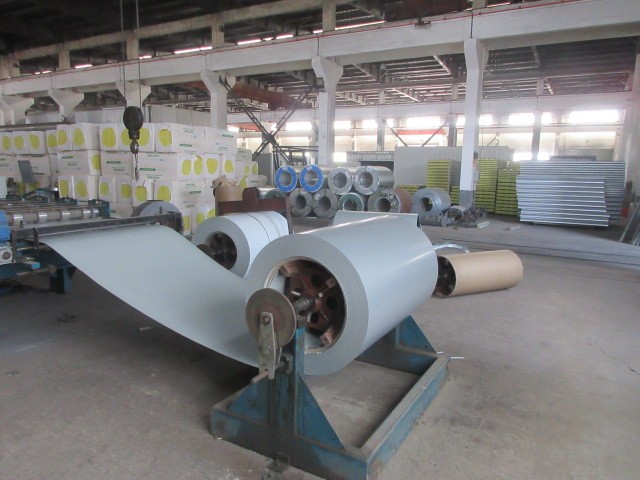
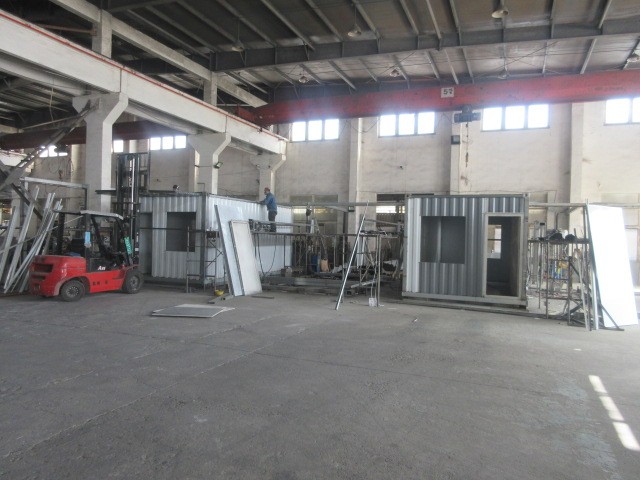
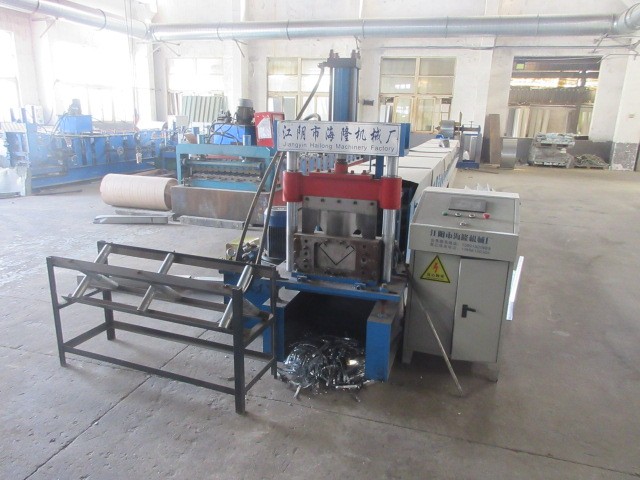
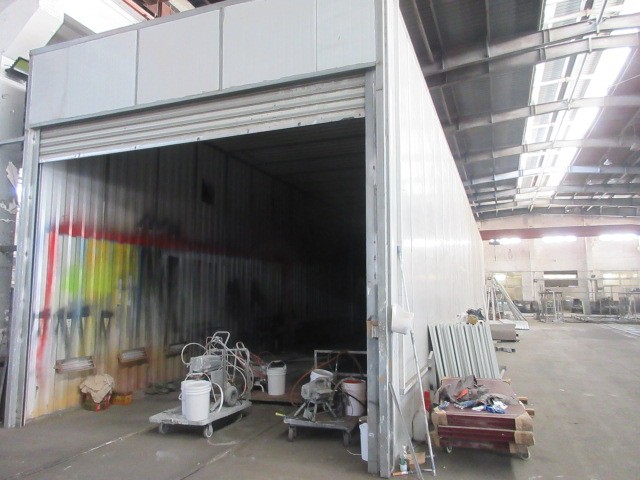
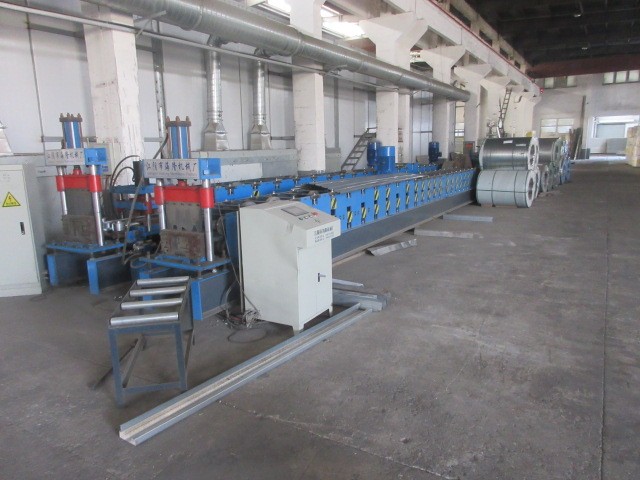
A comprehensive array of durable, high-performance prefabricated accommodation options tailored for mining, oil & gas, infrastructure, and agricultural installations.
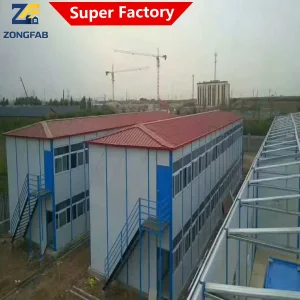
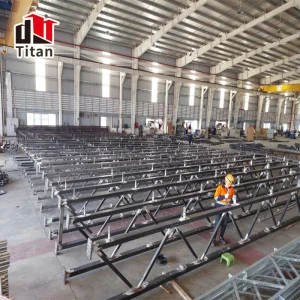
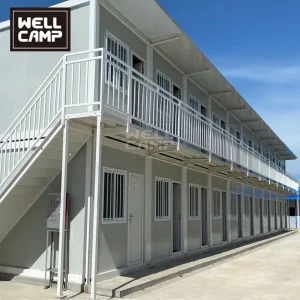
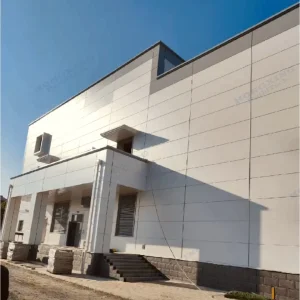
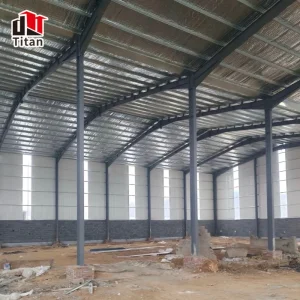
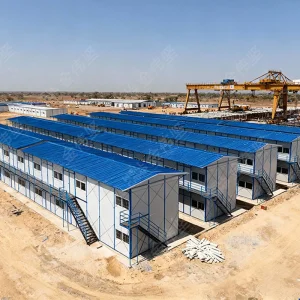
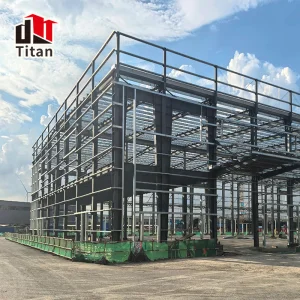
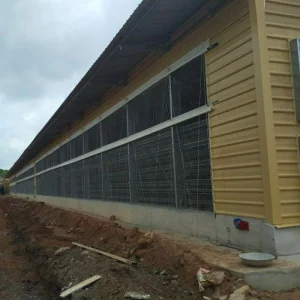
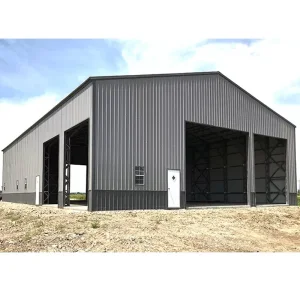
In Uzbekistan, modular buildings must adhere to state construction regulations governed by the Ministry of Construction. The primary design standards include the KMK (State Construction Norms) and ShNK (Construction Rules), which specify rules for residential and industrial safety. Key items to evaluate when importing pre-engineered systems include:
Because the region experiences frequent tectonic activity, structural calculations must satisfy the Seismic Design standard KMK 2.01.03-96. This involves specifying dynamic structural factors, structural redundancy, and maximum allowable drifts. Our modular structures utilize high-ductility structural configurations that dissipate seismic energy effectively, ensuring the safety of occupants.
Uzbekistan has diverse topography, with significant snowfall in mountainous regions like Tashkent Region (Ugam-Chatkal range) and strong winds in flat, desert zones. Our custom structural layouts are designed to support a roof snow load of up to 1.5 kN/m² and withstand wind speeds exceeding 120 km/h, providing continuous safety during seasonal shifts.
Industrial accommodations, especially dormitories and kitchen blocks, must demonstrate strict adherence to flame spread limits. SES House accommodates these standards by supplying Class A non-combustible rockwool core panels, steel-sheathed structural columns, and integrated emergency egress layouts that streamline site licensing inspections.
Being a doubly landlocked country, transport to Uzbekistan requires strategic route planning. Our factory in Foshan manages two primary transport routes:
Get professional answers to critical technical, logistic, and structural questions regarding modular worker camps in Central Asia.
 SES House